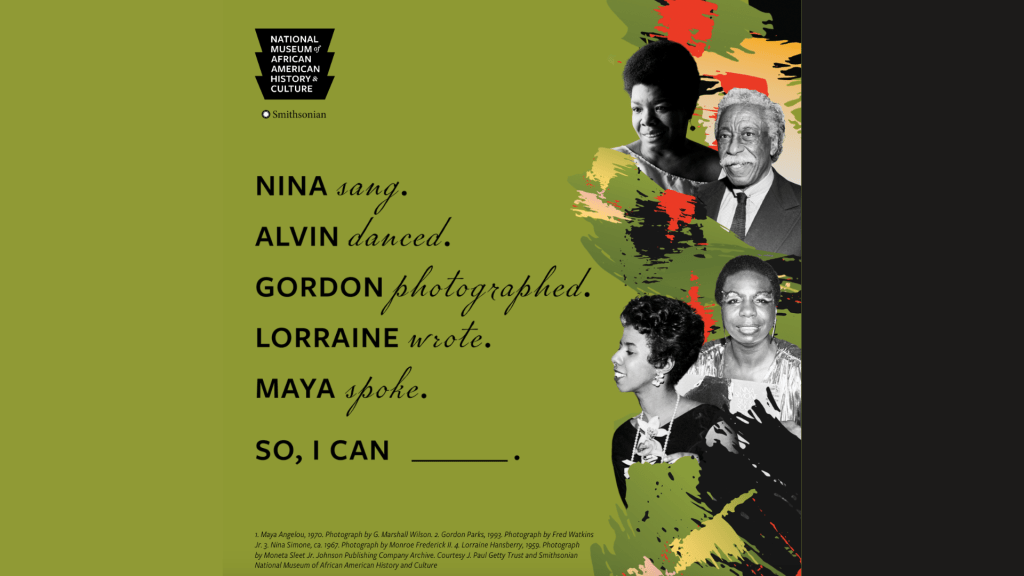
As a man of color, my experience with masculinity transcends the rigid, often damaging, definitions imposed by our society. A lot of my identity is shaped by the rich tapestry of Black history and culture, offering a framework of resilience, vulnerability, and self-expression that challenges traditional notions of manhood.
I was reflecting on this after I saw an Instagram post from the National Museum of African American History asking us to consider how art has inspired us in the fight for social change. In really thinking on this, I understood that my whole life journey has been fueled by powerful Black voices whose words, deeds, and art illuminated the struggle for acceptance and redefined what it means to be a man, particularly, a man of color in America.
Here’s how Black history and culture offer a positive vision of masculinity:
Strength Beyond Supremacy: Black masculinity rejects the dominance-driven model prevalent in society. It embraces figures like Dr. Martin Luther King Jr. and Malcolm X, who demonstrated strength through intellectual prowess, moral courage, and unwavering dedication to justice. Their power stemmed from their unwavering commitment to uplifting their communities.
Vulnerability as Power: Black men have historically been denied emotional expression, forced into a stoic mold. However, icons like James Baldwin and Audre Lorde shattered this myth, demonstrating the power of vulnerability and introspection. By expressing their pain, fears, and joys, they created a space for men of color to embrace their full emotional spectrum, fostering deeper connections and personal growth.
Community as Foundation: Black masculinity thrives on the bedrock of community. From barbershops to churches, school yards to playgrounds, these spaces nurture connection, support, and shared experience. This focus on collective well-being challenges the individualistic ideals often associated with masculinity, fostering a sense of belonging and shared responsibility.
Creativity as Resistance: Black artistic expression, from music and dance to literature and visual arts, serves as a powerful form of resistance and self-definition. Figures like Miles Davis and Toni Morrison used their talents to challenge stereotypes, celebrate Black identity, and push the boundaries of creativity. This legacy inspires men of color to embrace their artistic gifts and express themselves authentically.
As men of color, we can continue this legacy by continuing to engage with and uplift Black history and culture.
Learning our history: Immersing ourselves in the stories of Black heroes, intellectuals, and everyday people allows us to honestly connect with our past and draw inspiration for the future.
Supporting Black businesses and artists: Contributing to the economic and cultural power of Black communities empowers our collective voice and strengthens our cultural tapestry.
Having open conversations about race and masculinity: Engaging in honest dialogue with other men of color, mentors, and allies fosters understanding and challenges harmful stereotypes.
Celebrating our diverse expressions: Embracing our individual talents, passions, and vulnerabilities contributes to a richer and more inclusive vision of Black masculinity.
Black history and culture offer a powerful lens through which we have and can continue to redefine masculinity. We should embrace the lessons of resilience, vulnerability, community, and creativity so that we can move beyond limiting stereotypes and forge a path toward a more authentic and empowering understanding of manhood. Let’s continue to learn, engage, and celebrate the multifaceted beauty of Black masculinity, enriching our lives and inspiring future generations.
 Zimri Diaz
Leave a comment